What We Do

Services

Here's the full rundown of what we pour, fix and finish.

HomeServices

Everything we take on

Every job below is one we do ourselves across York.

Concrete Driveways

We form and pour driveways over compacted stone with either rebar or wire mesh depending on what's going to drive on it. Control joints get cut the same day, spaced to match the slab thickness, so the driveway cracks where we tell it to instead of down the middle. Give it about a week before you park a car on it, longer if the weather's cold.

Concrete Patios

Patios get a broom finish or a stamped pattern, your call, poured over a base graded to drain away from the house. Most patios cure enough to walk on in a couple of days and take furniture within a week.

Stamped Concrete

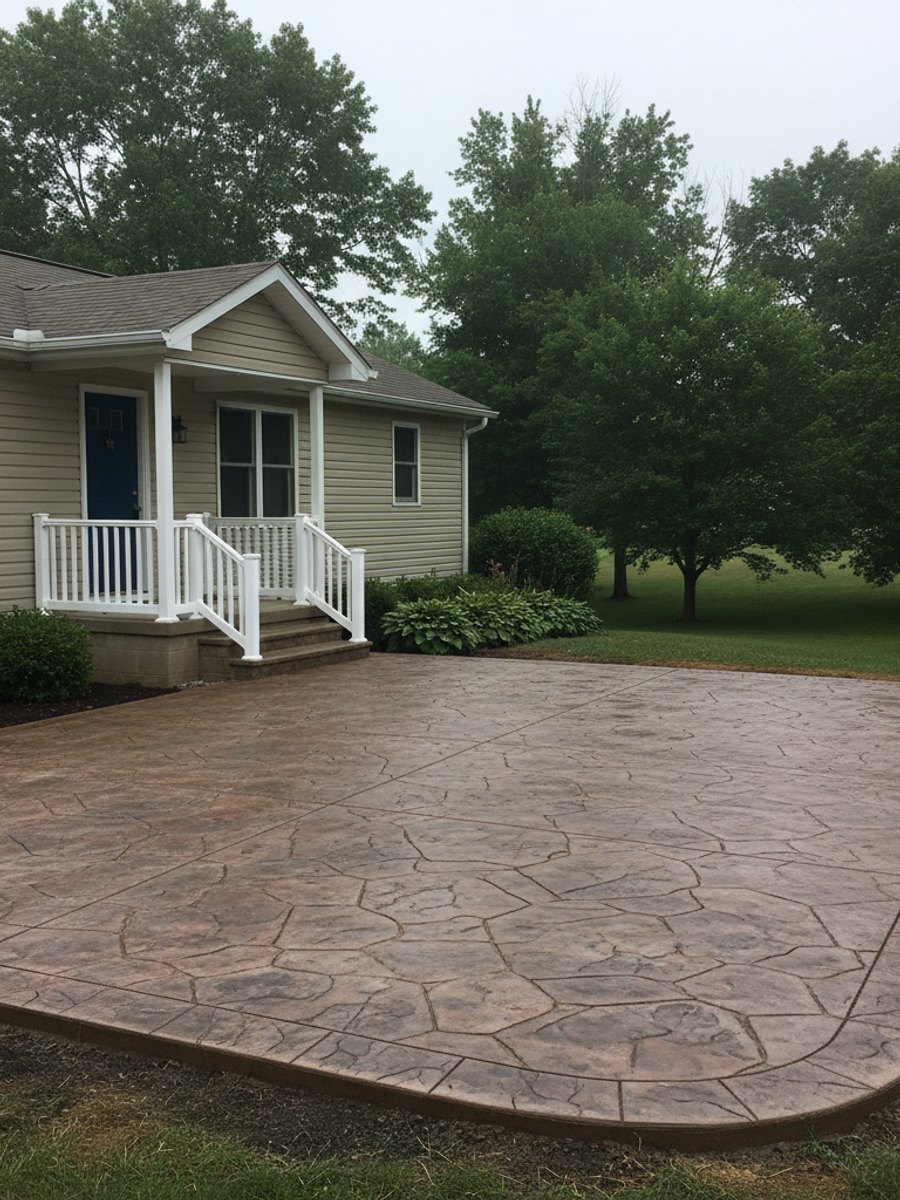
Stamped concrete gives you the look of pavers or stone without the joints weeds grow through. We color the slab, stamp the pattern while the concrete's still plastic, then seal it once it cures. The sealer needs reapplying every couple of years or the color fades and the surface goes slick.

Concrete Walkways & Sidewalks

Walkways see foot traffic and freeze-thaw both, so we keep the slab at least four inches thick and cut joints every few feet. A cracked, heaved sidewalk is usually a base problem, not a concrete problem, and we fix the base when we replace the walk.

Concrete Slabs & Foundations

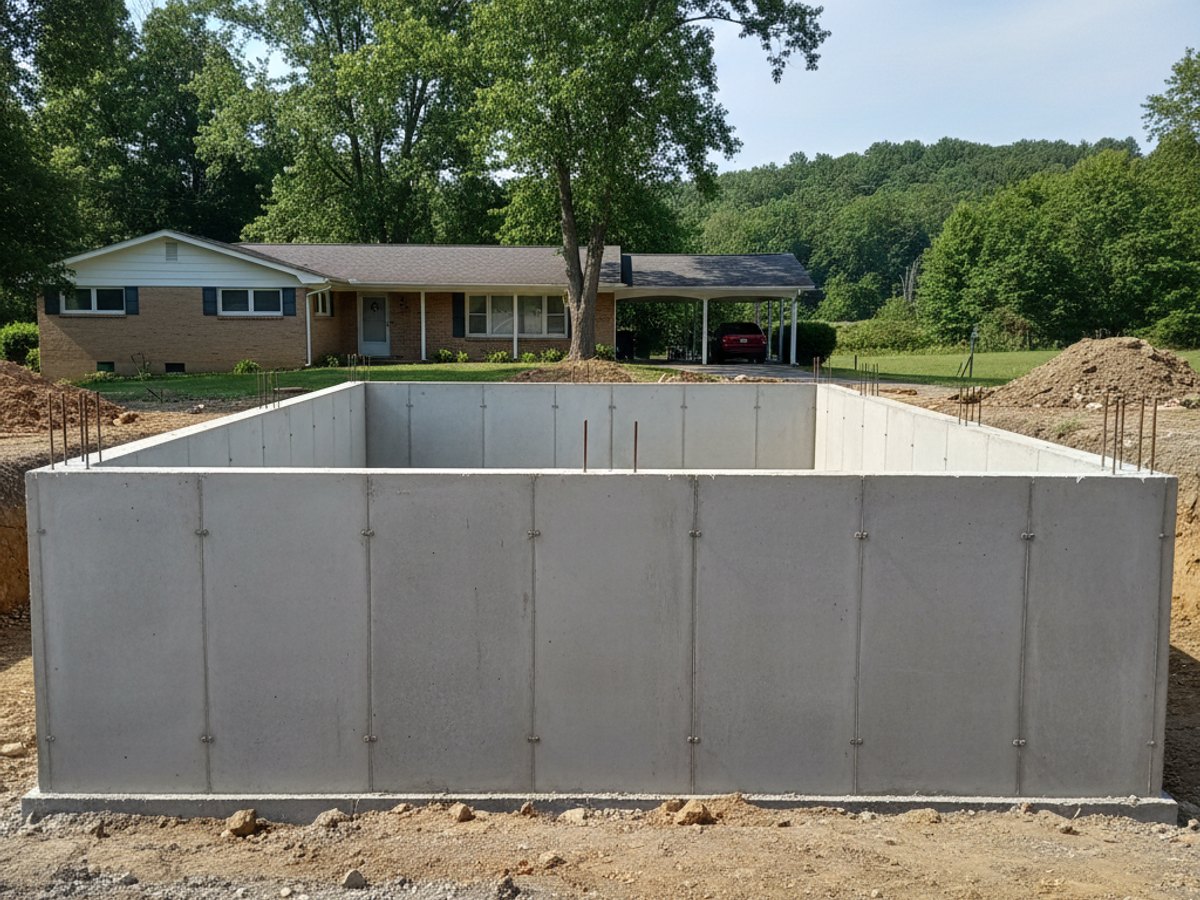
For sheds, additions and garage slabs, we pour to the thickness and reinforcement the structure calls for, not a generic slab. We check for a vapor barrier where it matters and set anchor bolts before the pour, not after.

Concrete Repair & Crack Repair

Not every crack means tear it out. Hairline cracks get routed and sealed, but a slab that's settled or spalled at the surface usually needs a section cut out and repoured. We'll tell you straight which one your driveway needs before we quote it.

Concrete Steps & Porches

Steps and porch slabs take a beating from salt and shoveling, so we pour them with air-entrained concrete rated for freeze-thaw. Handrail sleeves and proper rise-to-run go in before the pour, not drilled in after.

Garage Floor Concrete

Garage floors need a slightly different mix than a driveway since they're inside and don't see the same freeze-thaw. We slope the floor slightly to the door so meltwater off your car runs out instead of sitting in a puddle by the workbench.

Retaining Walls

We build small concrete and block retaining walls to hold back a slope or level out a yard for a patio. Drainage behind the wall matters more than the wall itself, so we always put gravel and a drain pipe in before backfilling.

Concrete Removal & Replacement

Old, cracked or sunken concrete comes out before anything new goes in, and we haul it away instead of leaving a pile in your yard. Removing the old slab is also when we find out if the base underneath was ever done right.

How It Works

Four steps, and no surprises in any of them.

01

We come and look

You tell us what you want doing, we look at what is actually there, and we ask the awkward questions early.

02

You get a price

In writing, itemised, free. If something might add cost later we flag it now rather than at the end.

03

We do the work

Same crew throughout. We cover your floors, keep the dust down and tidy up before we leave each day.

04

We walk it with you

You point out anything you are not happy with and we fix it before the invoice, not after.

Where We Work

All of this, across York, PA

We drive out to most of York County for driveway and patio work.

York, PA
Reading, PA
Lancaster, PA
Harrisburg, PA
Lebanon, PA
Carlisle, PA
Hanover, PA
Mechanicsburg, PA
Gettysburg, PA
New Freedom, PA
Dover, PA
Common Questions

Things worth asking

Questions that come up once a project's actually underway.

Do I need a permit for a new driveway or patio?
Permit requirements for concrete driveways and patios vary by township, with some requiring a permit for any new impervious surface over a certain square footage and others only regulating driveway aprons connecting to the street. Checking with the local township office before pouring avoids having to remove finished concrete later.
How long does a typical concrete project take?
A standard driveway or patio pour usually takes one to three days on site, covering excavation, forming, pouring and finishing, though the concrete needs about a week before vehicles drive on it. Larger jobs with retaining walls or extensive base repair can stretch to a week or more of active work.
Can concrete work be done on a tight budget?
Concrete costs scale with thickness, reinforcement, finish and how much of the old surface needs to come out, so a plain broom-finished slab with wire mesh instead of rebar is the lower-cost option where it's structurally appropriate. Cutting corners on the base to save money usually costs more later when the slab cracks or settles.
Do you guarantee your concrete work?
Concrete work should come with a workmanship guarantee covering cracking, settling or finish defects tied to how the job was built, separate from the concrete producer's own warranty on the material itself. Asking what the guarantee covers and for how long is worth doing before signing a quote.
Who will I be dealing with once the job starts?
On most concrete jobs, a crew lead or foreman runs the site day to day and is who a homeowner talks to about changes, schedule and questions once work begins. Getting a direct phone number for that person rather than a general office line makes it easier to reach someone during the pour.
What kind of concrete mix and reinforcement do you use?
Driveways and other slabs exposed to freeze-thaw cycles need air-entrained concrete, usually a 3,500 to 4,000 psi mix, with rebar for anything that sees vehicle traffic and wire mesh acceptable for lighter-use patios and walkways. The right mix and reinforcement depend on what's going to sit or drive on the finished slab.
Can I still use my driveway or yard while the work is happening?
A driveway being replaced is out of use for about a week between pour and cure time, so planning for parking on the street or at a neighbor's during that stretch is worth doing ahead of time. Patios and walkways are more localized, so the rest of the yard usually stays accessible during the work.
What do I need to do to prepare the site before the crew arrives?
Clearing furniture, potted plants, grills and vehicles away from the work area lets a concrete crew get straight to excavation instead of losing the first hour moving things. Marking any buried sprinkler lines, invisible dog fence wire or shallow utilities ahead of time also avoids surprises once digging starts.
What happens if you find a problem once the old concrete comes out?
Removing old concrete sometimes uncovers a soft, wet or poorly compacted base underneath that wasn't visible beforehand, and that has to be corrected before a new slab goes down regardless of what the original quote assumed. A contractor should explain the issue and the added cost before proceeding, not just pour over it.
How do I take care of new concrete after it's finished?
New concrete should stay free of vehicle traffic for about a week and foot traffic for a couple of days while it cures, and sealing every two to three years helps it resist salt and staining. Avoiding calcium chloride ice melt on new driveways for at least the first winter protects the surface from pitting and scaling.

Not sure what you need?

Describe the problem and we will tell you what it probably is. No obligation.
Call (717) 640-3037